As an Amazon Associate we earn from qualifying purchases. Learn More.
The journey of gambling tracing its historical evolution
Table of Contents
Ancient Beginnings of Gambling
The origins of gambling can be traced back to ancient civilizations, where games of chance were often intertwined with religious and cultural practices. Archaeological findings suggest that the earliest forms of gambling occurred in China around 2300 BC with the use of rudimentary dice made from animal bones. In this early context, gambling served not only as entertainment but also as a means of divination, predicting future events or outcomes based on the results of games. If you’re interested in learning more about current betting practices, you can visit https://pin-up-bet.ke/contact-us/.
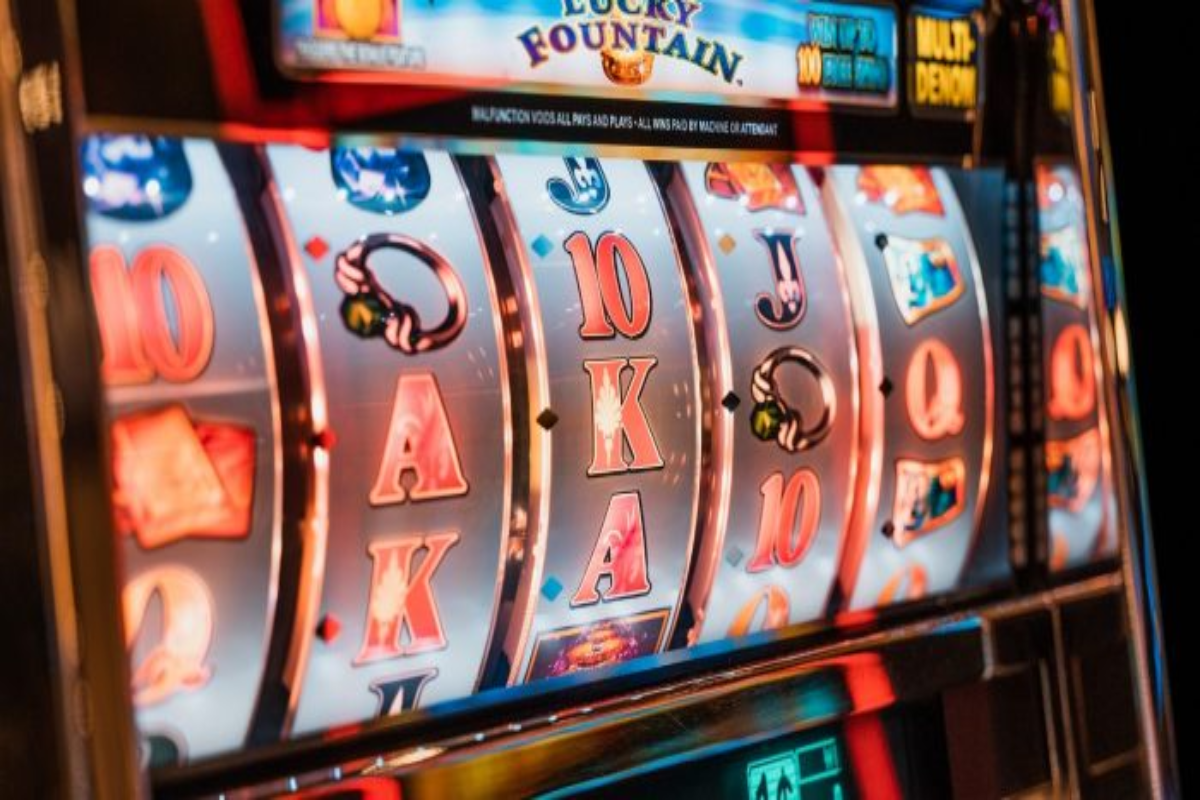
Furthermore, ancient Egyptians participated in similar activities, using a game known as Senet, which has been interpreted as a precursor to modern board games. These early forms of gambling reflect a fundamental human desire for risk and reward, deeply embedded in society as both a leisure activity and a competitive endeavor. As such practices evolved, they became more structured, eventually leading to the creation of more formal betting systems.
Across various cultures, gambling took on different forms, such as betting on the outcomes of events, from athletic contests to royal engagements. The Greeks and Romans expanded gambling further, establishing betting rings and using dice in games like knucklebones. The emergence of these organized forms of gambling laid the groundwork for later developments in betting practices, influencing how societies viewed chance and risk.
The Medieval Era and the Rise of Gaming Houses
During the medieval era, gambling saw a significant transformation, particularly in Europe. The establishment of gaming houses began as social venues where nobles and commoners could engage in various betting activities. These establishments often offered card games and dice games, becoming popular among the upper classes, and marking the beginning of more regulated gambling environments. This period also saw the introduction of gambling laws, as governments sought to control and tax the burgeoning industry.
The invention of playing cards in the 14th century further revolutionized gambling. With the introduction of card games, gambling became more accessible to the masses, leading to an increase in participation. Notably, games like Faro and Poker gained popularity, contributing to the diverse gambling culture of the time. As gaming houses flourished, they became central to social interactions, hosting events that combined entertainment and wagering.
However, this era also faced challenges. Concerns about addiction and the moral implications of gambling began to surface, prompting some authorities to impose restrictions. Despite this, the allure of gambling remained strong, paving the way for future developments that would further entwine it with the fabric of society. This tension between regulation and enjoyment highlights the complex relationship humans have with chance and risk.
The Birth of Modern Casinos
The 17th and 18th centuries marked a pivotal moment in the evolution of gambling, with the establishment of the first modern casinos. The Casino di Venezia in Italy, opened in 1638, is often recognized as the world’s first official casino. This venue introduced a range of games, including Roulette and Baccarat, and represented a shift toward more sophisticated gambling operations. The casino became a symbol of luxury and exclusivity, attracting the wealthy elite and inspiring similar establishments across Europe.
As gambling gained popularity, so too did the need for regulation. Governments recognized the potential for economic growth through taxation and licensing, leading to a more structured approach to gambling. The establishment of reputable casinos also served as a response to underground gambling practices, aiming to provide a safer and more controlled environment for players. This development greatly influenced public perception, as casinos began to be viewed as legitimate entertainment venues.
The expansion of gambling into the Americas further shaped the modern casino landscape. In the early 20th century, cities like Las Vegas emerged as gambling hubs, offering lavish resorts and extensive gaming options. The rise of online gambling in the late 20th century introduced an entirely new dimension to the industry, allowing players to engage in betting from the comfort of their homes. This evolution underscores the adaptability of gambling to changing societal norms and technological advancements.
The Digital Revolution and Online Gambling
The advent of the internet marked a revolutionary phase in the history of gambling, bringing forth online casinos and sports betting platforms. This transformation democratized access to gambling, allowing players from around the world to participate in various betting activities without geographical constraints. The first online casino, launched in 1994, set the stage for a booming digital gambling industry, complete with an array of games and betting options.
Online gambling platforms not only provide convenience but also offer an immersive experience through advanced technology. Live dealer games, virtual reality, and mobile betting applications have redefined how players interact with gambling. The integration of social elements, such as online communities and multiplayer games, enhances engagement, making the experience more interactive and appealing to a broader audience.
Despite the benefits, the rise of online gambling has also raised concerns regarding responsible gambling practices. Issues related to addiction, fraud, and lack of regulation have prompted discussions around player protection and industry standards. Responsible gambling initiatives, such as self-exclusion tools and educational resources, have become essential components of online platforms, ensuring that players are equipped to make informed decisions.

Responsible Gambling Practices and the Future of the Industry
As the gambling landscape continues to evolve, responsible gambling practices are increasingly vital to the integrity of the industry. Operators are now prioritizing player safety by implementing measures that promote awareness and education about gambling risks. The rise of technology has also facilitated the development of tools that help players monitor their betting habits, making it easier to identify and address potential issues, emphasizing the importance of responsible gaming in platforms like Pin Up Bet Kenya.
Moreover, collaboration between gambling operators, regulators, and advocacy groups is essential to fostering a culture of responsible gambling. Initiatives focused on education and community engagement play a crucial role in informing players about the importance of moderation and self-control. These efforts aim to create a balanced environment where the thrill of gambling can be enjoyed responsibly, minimizing potential harm.
Looking ahead, the gambling industry is poised for further growth and innovation. Emerging technologies, such as blockchain and artificial intelligence, have the potential to enhance transparency and security in online betting, attracting more players while ensuring fair practices. The future of gambling will likely involve a continued emphasis on responsible gambling, as operators and players alike navigate the exciting but complex world of chance.

I’m Muhammad. Ink in My Veins, Tools in My Arsenal. Don’t just call me a writer, call me your personal pen-whisperer.
Since 2015, I’ve been writing in various niches. My passion for pens, pencils, papers, binders, folders is on another level.
Remember that pen you bought after reading a promotional non-helpful online review? Felt like writing with a soggy noodle, right? Me too! That’s why I test every writing tool myself, from fancy pens to glittery highlighters.
On writersneed.com, you’ll find me reviewing the latest writing tools, sharing expert tips, and even sprinkling in some humor to keep things lively.